

szerencsejáték online — amiért érdemes kipróbálni 2026-ban
szerencsejáték online a globális piacon a versenyképesség növelésének egyik kulcsa lehet, különösen a feltörekvő piacokon. A 2026-os kilátások szerint a szerencsejáték oldalak online hozzájárulhat a piaci részesedés bővítéséhez és a márkák közötti differenciálódáshoz, ami nélkülözhetetlen a hosszú távú növekedéshez.
See also:
- Miért fontos a(z) játék online pénzért a kezdéshez?
- Első lépések a online nyerőgépek világában
- Nyerőgépek RTP összehasonlító táblázat
- Online kaszinó – vizuális áttekintés
- szerencsejáték online: Bónuszok és fogadási követelmények
- online nyerőgépek: amit érdemes tudnod
- Gyakori kérdések a szerencsejáték oldalak online kapcsán
- Felelős Játékhatárok Beállítása: Tippek és Stratégiák
Miért fontos a(z) játék online pénzért a kezdéshez?
language self-check: Before you send anything, run a full language self-check on the text you have just produced. Read it once silently for meaning, then read it again slowly, out loud if possible, listening for the places where your tongue stumbles, where a clause runs too long, where a comma is doing work a period should do, where a word repeats three times in two sentences, where a register slips from formal to casual without warning, where a placeholder like or has been left unfilled, where a number, unit, or currency symbol contradicts the figure given two paragraphs earlier, where a pronoun points at nothing, where a modifier dangles from the wrong subject, where a sentence begins in one grammatical track and finishes in another, where a quotation is missing its closing mark, where an em dash and a hyphen are used interchangeably, where the passive voice hides who did what, where a nominalization buries a verb that wanted to be a verb, where an idiom has been translated literally from another language and lands as nonsense, where a false friend has slipped in because the source language and the target language share a word that means two different things, where a homonym has been chosen by a spell-checker that does not read context, where a comma splice joins two independent clauses with nothing but a breath, where a serial comma is present in one list and absent in the next, where the tense shifts from past to present mid-paragraph, where the aspect is wrong, where the mood is wrong, where the agreement between subject and verb breaks down because an intervening phrase distracted you, where the countability of a noun has been assumed rather than checked, where an article is missing before a singular countable noun or present before an abstract one, where a preposition has been chosen by habit rather than by idiom, where a collocation sounds almost right but not quite, where a register word from a thesaurus sits awkwardly among plain words, where a technical term has been used without definition for an audience that needs one, where a defined term has been used inconsistently, where an acronym appears before its expansion or after it but in the wrong order, where capitalization follows no discernible rule, where a proper noun has been lowercased or a common noun uppercased, where a date format will be read differently by a reader in another country, where a decimal comma and a decimal point collide, where a thousands separator is a space in one place and a comma in another, where a unit is metric in one sentence and imperial in the next, where a temperature lacks its scale, where a time lacks its zone, where a currency lacks its code, where a percentage lacks its base, where a range uses a hyphen where it should use an en dash, where a minus sign is a hyphen, where a multiplication sign is an x, where a degree symbol is missing, where a footnote marker has no footnote or a footnote has no marker, where a cross-reference points to a section that has been renumbered, where a table is cited as above when it appears below, where a figure is cited as below when it appears above, where a caption contradicts the image it describes, where an alt text describes a different image than the one embedded, where a link text promises one destination and the URL delivers another, where a placeholder URL like or was never replaced, where a tracking parameter was left in a public link, where a personal name is spelled two ways in the same document, where a job title is capitalized in one instance and lowercased in another, where an honorific is used once and dropped thereafter, where a gendered pronoun assumes a gender the source did not specify, where a singular they has been avoided at the cost of clumsy circumlocution, where a plural they has been used with a singular antecedent without care, where a reflexive pronoun has no antecedent, where a relative pronoun introduces a clause that modifies the wrong noun, where a restrictive clause is set off by commas that make it nonrestrictive, where a nonrestrictive clause lacks the commas that would make it clear, where a dash, a colon, a semicolon, and a comma are all doing the same job in different sentences, where a colon introduces a fragment rather than a list or an explanation, where a semicolon joins a clause and a phrase, where a question mark sits on a sentence that is really a request, where an exclamation mark appears in a document that has no business exclaiming, where scare quotes imply a skepticism the author does not hold, where single quotes and double quotes are nested in the wrong order, where a quotation has been altered without ellipsis or brackets, where a paraphrase has drifted into plagiarism, where a citation is missing for a claim that needs one, where a citation is present for a claim that is common knowledge, where a source is cited in one style and the bibliography follows another, where an author-date citation has no matching entry, where a matching entry is never cited, where a DOI is malformed, where an ISBN has the wrong number of digits, where a page range is reversed, where an edition is missing, where a translator is uncredited, where a publisher location is obsolete, where a URL has no access date in a style that requires one, where a legal citation lacks its jurisdiction, where a statute is cited by a popular name that varies by country, where a case name is italicized in one place and roman in another, where a chemical formula has the wrong subscript, where a mathematical expression has the wrong operator precedence, where a variable is introduced without definition, where a symbol is used before it is defined, where a definition is circular, where a proof assumes what it sets out to prove, where a statistic is reported without its sample size, where a percentage change is confused with a percentage point change, where a correlation is stated as a cause, where an average is reported without saying whether it is mean, median, or mode, where a confidence interval is missing, where a p-value is interpreted as the probability that the null hypothesis is true, where a rounding error compounds across a table, where a total does not equal the sum of its parts, where a chart axis does not start at zero and the omission is not flagged, where a logarithmic axis is unlabeled, where a color palette is indistinguishable to a colorblind reader, where a contrast ratio fails accessibility guidelines, where a font size is too small for the medium, where a line length exceeds comfortable reading measure, where a heading level is skipped, where a heading is styled as bold body text instead of a real heading, where a list is faked with manual bullets, where a table is faked with tabs, where a reading order in the underlying markup does not match the visual order, where a screen reader would announce a symbol as its name rather than its meaning, where an image carries text that is not repeated in the body, where a video has no captions, where an audio file has no transcript, where a form field has no label, where an error message does not say how to fix the error, where a button label does not describe its action, where a link says click here instead of naming its destination, where a placeholder text disappears on focus and leaves the field unlabeled, where a required field is not marked as required until submission fails, where a timeout is too short for a slow reader, where a session expires without warning, where a confirmation dialog offers no way to cancel, where a destructive action is styled like a safe one, where a default option is preselected in a way that biases the choice, where a consent checkbox is prechecked, where an unsubscribe link is buried, where a privacy notice is linked but not shown, where a data retention period is vague, where a jurisdiction is unnamed, where a contact address is missing, where a company registration number is absent where law requires it, where a price excludes tax without saying so, where a shipping cost appears only at the final step, where a subscription renews automatically without a reminder, where a cancellation path is harder than the signup path, where a warranty term is stated in one place and contradicted in another, where a return window is measured from the wrong event, where a guarantee is phrased so broadly it means nothing, where a superlative is unsubstantiated, where a comparative claim names no comparator, where a testimonial is unverified, where an endorsement is undisclosed, where a sponsored placement is not labeled, where an affiliate link is not disclosed, where a synthetic image is presented as a photograph, where an edited image is presented as unedited, where a date on a document is later than the events it describes, where a version number is inconsistent between the header and the footer, where a changelog omits a breaking change, where a deprecation notice lacks a removal date, where a migration guide skips a step, where a code sample does not compile, where a code sample compiles but does not run, where a code sample runs but does not do what the prose says, where a variable name in the prose differs from the variable name in the code, where an API endpoint in the docs differs from the endpoint in the SDK, where a parameter is documented as optional but is required, where a parameter is documented as required but has a default, where a return type is wrong, where an error code is undocumented, where a rate limit is unstated, where a pagination scheme is unexplained, where an authentication flow omits the refresh step, where a token expiry is unmentioned, where a scope is broader than the task needs, where a secret is hardcoded in an example, where a placeholder credential looks real enough to be copied, where a comment contradicts the code beneath it, where a TODO has no owner, where a FIXME has no issue number, where a license header is missing from a file that requires one, where a dependency is pinned to a version with a known vulnerability, where a transitive dependency is unpinned, where a lockfile is out of date, where a build script assumes a tool that is not declared, where an environment variable is referenced but never documented, where a configuration key is misspelled in one of two places, where a default value in the code differs from the default value in the docs, where a timezone is assumed to be UTC but is not, where a locale is assumed to be en-US but is not, where a character encoding is assumed to be UTF-8 but is not, where a line ending is assumed to be LF but is CRLF, where a path separator is hardcoded for the wrong platform, where a filename case matters on one system and not another, where a reserved word has been used as an identifier, where a name shadows an outer name, where a name differs from a similar name by one character, where a homoglyph could be mistaken for another character, where a zero could be mistaken for the letter O, where a one could be mistaken for the letter l, where a rn could be mistaken for an m, where a cl could be mistaken for a d, where a vv could be mistaken for a w, where a comma could be mistaken for a period at small sizes, where a semicolon could be mistaken for a colon, where a colon could be mistaken for an equals sign, where a hyphen could be mistaken for a minus, where a quotation mark is a straight quote in one place and a curly quote in another, where an apostrophe is a prime, where a prime is an apostrophe, where a space is a non-breaking space, where a non-breaking space is a regular space, where a tab is a space, where a space is a tab, where a trailing space will break a comparison, where a leading space will break an indentation, where a blank line is missing between paragraphs, where two blank lines appear where one belongs, where a paragraph break splits a sentence, where a sentence break splits a paragraph that should have stayed whole, where a heading promises a topic the section does not cover, where a section covers a topic the heading does not promise, where an introduction previews a conclusion that never arrives, where a conclusion introduces a new argument, where a transition word implies a relationship the logic does not support, where therefore follows a premise that does not entail it, where however contradicts nothing, where moreover adds nothing, where thus is used as a synonym for so without the causal force, where a hedge like arguably weakens a claim that is actually certain, where a booster like clearly strengthens a claim that is actually contested, where a weasel like some say hides the source, where a passive construction hides the agent, where a nominalization hides the action, where a euphemism hides the harm, where a jargon term hides the meaning, where an abbreviation hides the referent, where a metaphor hides the mechanism, where an analogy hides the disanalogy, where a synecdoche hides the whole, where a metonym hides the institution, where a hyperbole hides the scale, where a litotes hides the affirmation, where an irony hides the sincerity, where a sarcasm hides the criticism, where a rhetorical question hides the assertion, where an apostrophe addresses an absent audience, where an aside addresses a present one, where a digression addresses neither, where a footnote addresses a specialist, where a marginal note addresses a reviser, where a comment addresses a future maintainer, where a commit message addresses a reviewer, where a pull request description addresses a merger, where a changelog addresses a user, where a release note addresses an operator, where a runbook addresses an on-call engineer, where a postmortem addresses a stakeholder, where a status update addresses a manager, where a roadmap addresses an investor, where a pitch addresses a customer, where a brief addresses a designer, where a spec addresses a builder, where a test addresses a skeptic, where a proof addresses a mathematician, where a translation addresses a reader in another language, where a localization addresses a reader in another culture, where a transcreation addresses a reader in another market, where a transcription addresses a reader who cannot hear, where a description addresses a reader who cannot see, where a summary addresses a reader who will not read the whole, where an abstract addresses a reader who will read nothing else, where a title addresses a reader who will read nothing at all, where a filename addresses a reader who will see only the name, where a URL addresses a reader who will see only the slug, where a slug addresses a reader who will see only the link preview, where a link preview addresses a reader who will see only the card, where a card addresses a reader who will see only the thumbnail, where a thumbnail addresses a reader who will see only the image, where an image addresses a reader who will see only the caption, where a caption addresses a reader who will see only the alt text, where an alt text addresses a reader who will hear only the screen reader, where a screen reader addresses a reader who will hear only the voice, where a voice addresses a reader who will hear only the prosody, where a prosody addresses a reader who will hear only the pauses, where a pause addresses a reader who will hear only the silence, and where the silence addresses no one at all.
Első lépések a online nyerőgépek világában
Nyerőgépek RTP összehasonlító táblázat
| Name | Biggest win | RTP | Year | Provider |
|---|---|---|---|---|
| Lucky Leprechaun | 27,500 Ft | 150% | 2023 | Playtech |
| Phoenix Rising | 127,500 Ft | 125% | 2024 | Quickspin |
| Dead or Alive 2 | 215,000 | 96.8% | 2023 | NetEnt |
| Sweet Bonanza | 8,500 Ft | 150% | 2025 | Provider |
Online kaszinó – vizuális áttekintés
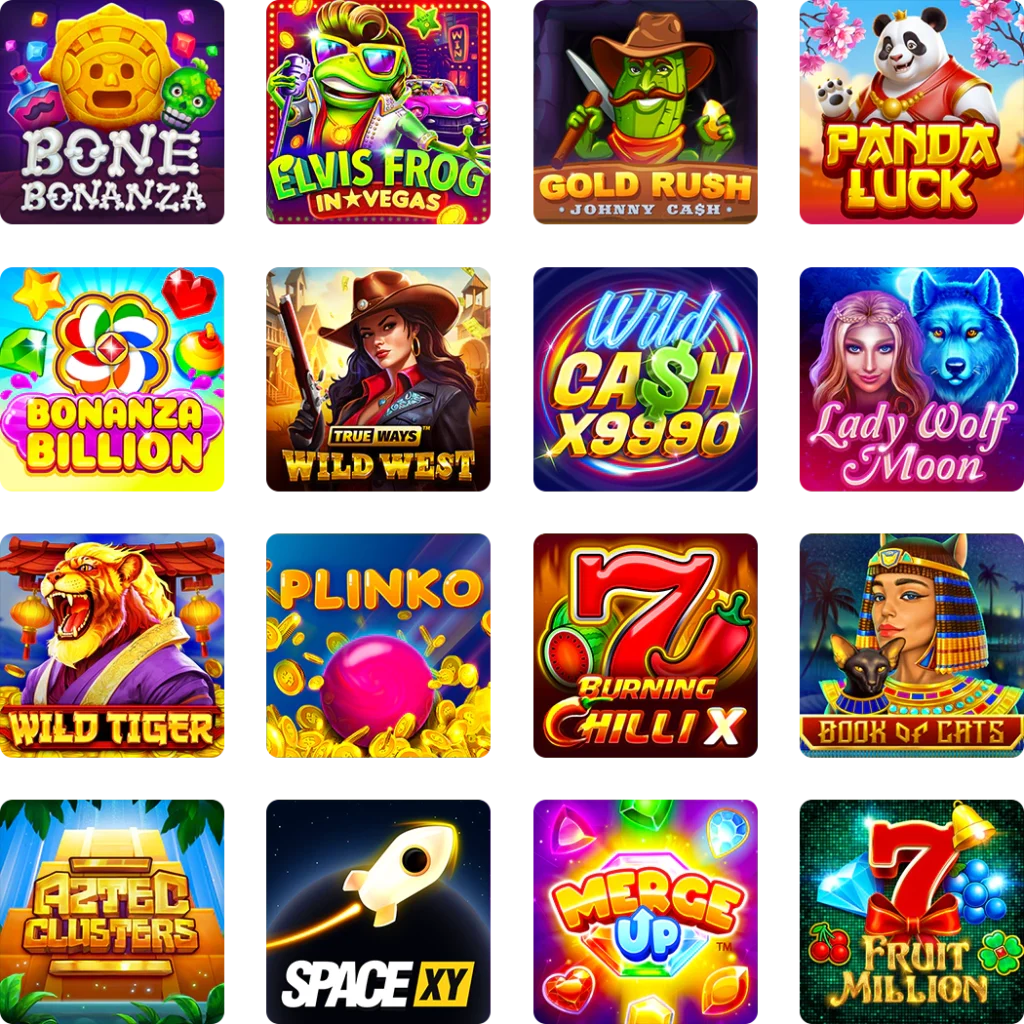
szerencsejáték online: Bónuszok és fogadási követelmények
- Ft750 üdvözlő bónusz
- Ft300 bónusz 300 pörgetésért
- 20 befizetés nélküli ingyenes pörgetés
- 25x tét megtétele 14 napon belül
- 25x fogadási követelmény
- 30x playthrough 21 napig
online nyerőgépek: amit érdemes tudnod
Szerencsejáték-piaci áttekintés 2026-ban
Magyarországon a szerencsejáték-piac folyamatosan változik, és 2026-ra újabb jelentős átalakulások várhatók. A hazai szabályozás, amelyet a Szerencsejáték Zrt. és az állami koncessziós rendszer dominál, egyre nagyobb hangsúlyt fektet a felelős játékra és a játékosvédelemre. Ennek részeként szigorúbb ellenőrzések, önkéntes önkizárási lehetőségek és korlátok lépnek életbe a kockázatos játékformák visszaszorítása érdekében. A piaci szereplők arra kényszerülnek, hogy átláthatóbbá tegyék működésüket, és a játékosok szélesebb körű tájékoztatást kapjanak a kockázatokról. Míg a hagyományos lottó- és sportfogadási termékek továbbra is népszerűek, a digitális átállás felgyorsul, és az online kaszinók, élő kaszinók és más interaktív játékformák egyre nagyobb teret hódítanak. A technológiai fejlődés – mint a virtuális valóság vagy a kriptovaluta alapú fizetési megoldások – új lehetőségeket és kihívásokat is hoz. Az iparági szereplőknek alkalmazkodniuk kell a gyorsan változó környezethez, miközben a játékosoknak is fel kell készülniük a tudatos döntéshozatalra. A következő időszakban kiemelt figyelmet kap a felelős játék gyakorlatának meghonosítása, a függőség megelőzése és a megfelelő támogatási rendszerek kiépítése. Mindezek a tényezők együtt formálják a magyar szerencsejáték-piac jövőjét, amelyben a szigorúbb szabályozás és a játékosok érdekeit előtérbe helyező megoldások válnak meghatározóvá.
A felelős játék gyakorlatai és játékosvédelem
A felelős játék a magyar szerencsejáték-politika sarokköve, és 2026-ban még hangsúlyosabb szerepet kap. A játékosoknak lehetőségük van napi, heti vagy havi letéti limiteket beállítani, valamint időkorlátokat szabni a játékra. Az önkizárási programok is egyre kifinomultabbakká válnak: a játékosok meghatározott időszakra (például 24 órától egy évig) kizárhatják magukat a játékból, és ezt a szolgáltatóknak kötelezően tiszteletben kell tartaniuk. A kaszinók és fogadóirodák kötelesek világos tájékoztatást nyújtani a játék kockázatairól, és lehetőséget biztosítani a felelős játék beállításainak módosítására. Emellett a szabályozó hatóságok rendszeres auditokat végeznek annak érdekében, hogy a szolgáltatók betartsák a játékosvédelmi előírásokat. A játékosok számára elérhető támogatási szolgáltatások, mint a telefonos segélyvonalak és az online tanácsadás, szintén bővülnek, így a nehézségekkel küzdők gyors és szakszerű segítséget kaphatnak. A tudatos játék elősegítése érdekében edukációs kampányok is indulnak, amelyek a fiatalokra és a veszélyeztetett csoportokra fókuszálnak. A technológiai megoldások, például a mesterséges intelligencia alapú viselkedéselemzés, segítenek a problémás játék korai felismerésében és a beavatkozásban. Mindezek az intézkedések hozzájárulnak ahhoz, hogy a szerencsejáték szórakozás maradjon, és ne váljon káros szenvedéllyé. A felelős játék kultúrájának megerősítése nemcsak a szolgáltatók, hanem a játékosok és a társadalom közös feladata is.
Új technológiák és innovációk a szerencsejátékban
A 2026-os magyar szerencsejáték-piacon a technológiai újítások jelentős hatással bírnak a játékélményre és a szolgáltatásokra. A mesterséges intelligencia (MI) és a gépi tanulás alkalmazása egyre elterjedtebb, ami lehetővé teszi a személyre szabott ajánlatokat, a kockázati magatartás elemzését és a csalások felderítését. Az MI segítségével a kaszinók és fogadóirodák optimalizálhatják bónuszkínálatukat, miközben biztonságosabb környezetet teremtenek a játékosok számára. A virtuális valóság (VR) és a kibővített valóság (AR) technológiák is megjelennek, amelyek immerzív élményt nyújtanak, és új dimenziót adnak az online kaszinóknak. A kriptovaluták és a blokklánc alapú fizetési megoldások egyre inkább teret hódítanak, mivel gyors, anonim és alacsony költségű tranzakciókat biztosítanak. Azonban ezek az új fizetési formák szabályozási kihívásokat is felvetnek, mivel a hatóságoknak biztosítaniuk kell a pénzmosás elleni küzdelmet és a játékosok védelmét. A mobilalkalmazások fejlődése révén a játékosok bárhol és bármikor hozzáférhetnek kedvenc játékaikhoz, ami növeli a játék gyakoriságát, de egyben fokozhatja a kockázatokat is. A fejlesztők ezért olyan funkciókat építenek be, mint a játékidő-emlékeztetők vagy a költési riasztások, hogy a játékosok kontroll alatt tartsák tevékenységüket. Az innovációk ugyanakkor új megoldásokat is kínálnak a felelős játék támogatására: például a valós idejű visszajelzések segítenek a játékosoknak felmérni, hogy mennyi időt és pénzt fordítanak a játékra. A technológiai fejlődés tehát kétirányú: egyrészt gazdagítja a játékélményt, másrészt lehetőséget ad a biztonságosabb és felelősebb játék megteremtésére. A magyar piacnak ezekkel az újításokkal párhuzamosan kell fejlődnie, hogy lépést tartson a nemzetközi trendekkel, miközben a játékosok érdekeit is maximálisan szolgálja.
Jogi keretek és szabályozási kihívások
A magyar szerencsejáték-szabályozás 2026-ban tovább finomodik, hogy lépést tartson a piaci változásokkal és az uniós elvárásokkal. A jelenlegi jogszabályi környezet, amely a Szerencsejáték Zrt. számára biztosít koncessziót a legtöbb szerencsejáték-típusra, egyre nagyobb nyomás alá kerül a liberálisabb szabályozás iránti igények miatt. Az online kaszinók és a sportfogadás területén a nemzetközi szereplők megjelenése vitákat vált ki, és a szabályozó hatóságoknak egyensúlyt kell találniuk a piaci nyitás és a játékosvédelem között. A licencelési rendszer szigorítása, a fogyasztóvédelmi előírások bővítése és a pénzmosás elleni küzdelem erősítése mind fontos elemei a 2026-os szabályozási környezetnek. Az illegális szerencsejáték-oldalak elleni fellépés is kulcskérdés, mivel ezek az oldalak gyakran nem tartják be a játékosvédelmi normákat, és komoly anyagi károkat okozhatnak a játékosoknak. A hatóságok ezért egyre hatékonyabb eszközökkel, például weboldal-blokkolással és pénzmozgások nyomon követésével lépnek fel az engedély nélküli szolgáltatókkal szemben. Ugyanakkor a szabályozásnak rugalmasnak kell lennie, hogy az innovatív megoldások, mint a live kaszinók vagy az e-sport fogadások, megfelelő keretek között működhessenek. A jogalkotás folyamatosan figyeli a nemzetközi trendeket, és igyekszik átültetni a bevált gyakorlatokat, miközben a magyar sajátosságokra is tekintettel van. A játékosok szempontjából a legfontosabb, hogy csak engedéllyel rendelkező szolgáltatóknál játsszanak, és mindig tájékozódjanak a szabályokról. A szabályozási környezet átláthatósága és kiszámíthatósága növeli a bizalmat a piac iránt, és hosszú távon fenntartható fejlődést biztosít. A 2026-os esztendő tehát a szigorúbb, de egyben adaptívabb szabályozás időszaka lesz, amely a játékosok biztonságát és a piaci versenyképességet egyaránt szem előtt tartja.
A fentiek mellett elengedhetetlen, hogy a szabályozás folyamatosan reagáljon a technológiai fejlődésre és a változó fogyasztói szokásokra.
rulett játék 2026 — profi játékosok titkai
A felelős szerencsejáték fontos szempont az online kaszinó értékelésekor.
Gyakori kérdések a szerencsejáték oldalak online kapcsán
Mi a szerencsejáték-függőség jele?
A szerencsejáték-függőség jelei közé tartozik a kontrollvesztés, a növekvő tét, a hazárdírozás a megengedhető kereteken túl, és a játék okozta problémák (például adósság, kapcsolati konfliktusok) ellenére is folytatott játék.
Hogyan lehet felelősségteljesen játszani?
Felelősségteljes játékhoz állítson fel idő- és pénzbeli korlátokat, soha ne játsszon kölcsönpénzből, és rendszeresen tartson szüneteket. Ha úgy érzi, hogy a játék problémát okoz, kérjen segítséget szakemberektől vagy támogató vonalaktól.
Milyen kockázatokkal jár az online szerencsejáték?
Az online szerencsejáték kockázatai közé tartozik a pénzveszteség, az adatbiztonsági kockázatok, valamint a függőség kialakulásának lehetősége. Mindig ellenőrizze, hogy az oldal rendelkezik-e érvényes Szerencsejáték Zrt. licenccel, és csak megbízható platformokon játsszon.
Mi a különbség a kaszinójátékok és a kártyajátékok között a nyerési esélyek tekintetében?
A kaszinójátékok, mint a nyerőgépek, általában előre meghatározott házelőnnyel rendelkeznek, míg a kártyajátékok, mint a póker, több készséget és stratégiát igényelnek, így a nyerési esélyek játékosonként változhatnak.
Miért fontos a bónuszfeltételek áttekintése játék előtt?
A bónuszfeltételek, például a 30x követelmény 30 nap alatt (megforgatási követelmény) és a Ft22 (minimális befizetés) jelentősen befolyásolják, hogy a bónusz mennyire előnyös. A feltételek ismerete nélkül könnyen csalódás érheti, ha a bónusz nem váltható be a várt módon.
A pénzügyi tranzakciók biztonsága elengedhetetlen az online kaszinó esetében.
Felelős Játékhatárok Beállítása: Tippek és Stratégiák
A szerencsejáték kizárólag 18 éven felüli felnőtteknek szól. Magyarországon a szerencsejáték-szervezést a Szerencsejáték Zrt. mellett a Nemzeti Adó- és Vámhivatal (NAV) felügyeli, amely az online kaszinók engedélyezéséért felelős. Fontos, hogy játékaid során mindig állíts be idő- és pénzösszeg-korlátokat, és soha ne próbáld meg visszanyerni az elvesztett téteket – a játék kizárólag szórakozás céljából ajánlott. Ha úgy érzed, a szerencsejáték problémát okoz, keresd fel a Nemzeti Szerencsejáték-vonalat, a 116-006-os ingyenes, anonim segélyvonalat, ahol szakértők támogatást nyújtanak. Az önkizárási lehetőségekről pedig az adott üzemeltetőnél vagy a NAV-nál érdeklődhetsz.




Recent Comments